
How to Know When to Change Your Alternator
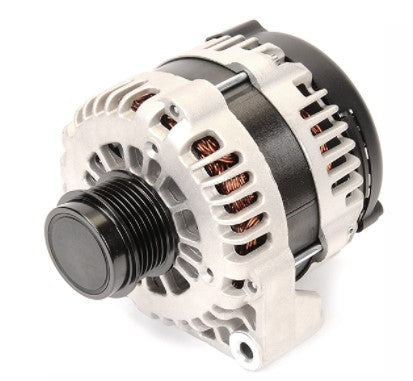
Your vehicle’s alternator plays a critical role in keeping your car running smoothly. It charges the battery and powers essential electrical systems while the engine is running. When the alternator fails, the vehicle will eventually lose electrical power, causing the engine to shut down and leaving you stranded on the side of the road.
Usually, we don’t recommend our customers to wait until the alternator completely stops working before replacing it. When an alternator starts showing signs of failures, even though it is still charging the battery, it is best to replace the alternator sooner rather than later. In addition, especially during holidays, it is important to ensure your alternator is functional and reliable before embarking on a long-distance road trip.
Common Signs You Need to Change Your Alternator:
1. Battery Warning Light on Dashboard
A failing alternator tends to struggle to generate sufficient output voltage to charge the battery. Typically, normal output voltage of an alternator should be around 13.0 to 14.5 volts. A voltage output of less than 13.0V may not be sufficient to charge the battery, causing it to eventually go flat and triggering the battery warning light on the dashboard. (See image 1)
However, a weak battery or poor wiring connections can also trigger the battery warning light. It is important to check the condition of the battery and ensure all connections are secure.

Image 1: A faulty alternator triggers the battery warning light.
2. Multiple dashboard warning lights are illuminated simultaneously
A key component that regulates output voltage in an alternator is called regulator. When this component begins to fail, not only it produces lower than optimal output voltage, sometimes it can behave erratically by generating dangerously high output, such as more than 15V. Many modern vehicles nowadays have electrical protection. When the battery voltage or alternator voltage is too high, it can trigger multiple warning lights or cause the vehicle’s electrical system to shut down to protect itself. (See image 2)

Image 2: All dashboard warning lights are illuminated simultaneously due to alternator overcharging.
3. Unusual Noises from Alternator
One of common causes in a faulty alternator is that the bearing fails. An alternator bearing is to allow the internal rotor spin smoothly and freely. When your vehicle’s alternator bearing goes bad, it will show some unusual noises such as squeaking, grinding, or knocking. (See video 1)
A more serious problem about a seized bearing is that the rotor inside the alternator won’t be able to spin freely and eventually will damage the drive belt.
Video 1: Unusual noise produced by a faulty alternator.
4. Burning Smell or Smoke
A failing alternator can cause overheat due to faulty internal component or internal short-circuit. When we detect smoke or burning smell from an alternator, stop the vehicle immediately and inspect and consider replacing the alternator.
5. Difficulty Starting the Vehicle
When an alternator is not charging the car battery, the battery won’t have the power to power up the starter motor, especially when the battery is new. The common symptoms are slow engine cranking or clicking sounds when turning the key. However, there is absolutely no response from the starter motor, it is likely due to a faulty starter motor.
Knowing when to replace an alternator can potentially save you time, money and stress, prevent further damages to your vehicle. It is highly recommended that at the first signs of alternator failure, you have the vehicle inspected by a qualified mechanic and replace the alternator with a high quality part. Whether you use your vehicle for daily commute or road trip, having a healthy alternator is crucial for your vehicle’s performance and keep your vehicle running smoothly.
Tags:
Previous
Auto Part Compatibility: It Is More than Just the Year and Model of the Vehicle
Next
How do I know when to replace brake pads and brake rotors?