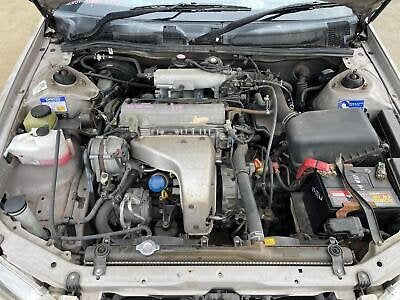

Engine mount prices and fit for your vehicle
Choose an engine mount that matches your vehicle, not just one that looks right. The correct fit supports the powertrain and helps manage vibration.
This guide explains mount types, how to confirm fitment, and what affects parts and labour costs in Australia, so you can plan your next step.
Key Takeaways
- Match the part to the exact vehicle, engine and transmission details before ordering.
- Compare like-for-like parts and keep the component price separate from fitting labour.
- Use the mount’s position and part details to avoid confusing engine-side and transmission-side replacements.
- Describe when vibration or movement occurs to help narrow down the inspection.
- Factor in access to the mount when reviewing a workshop estimate.
What are Engine Mounts, and how do They Work?
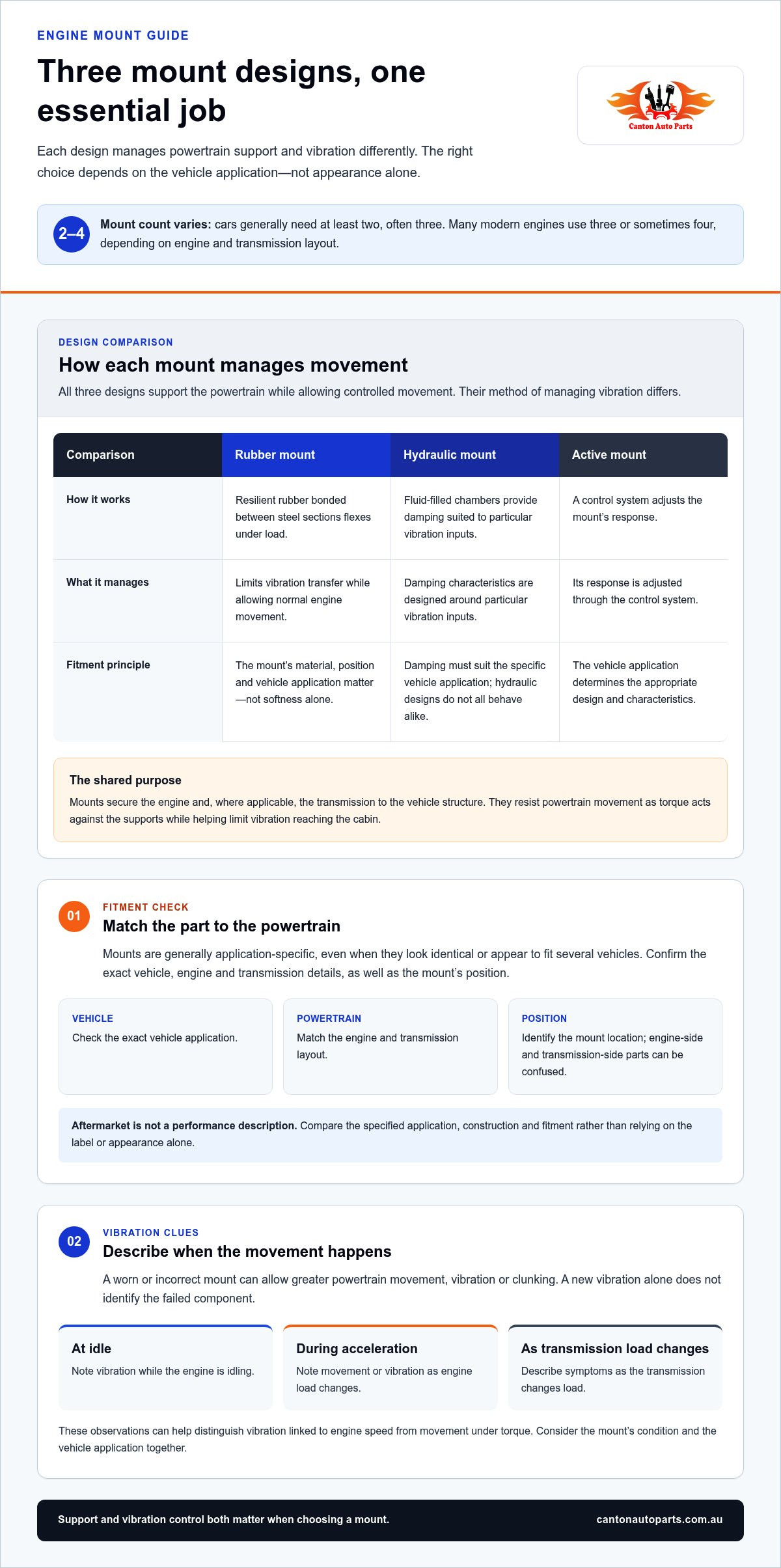
An engine mount secures the engine to the vehicle structure and helps limit vibration reaching the cabin. It also controls powertrain movement as torque acts against the supports. Each mount must hold its position while allowing enough flex for normal engine movement.
Most modern engines use three or sometimes four mounts. Cars generally need at least two, and often three. The number and position depend on the engine and transmission layout. Some mounts attach to the transmission, which forms part of the supported powertrain assembly.
A basic rubber mount has resilient rubber bonded between steel sections. The metal sections bolt to the engine or transmission and the vehicle structure, while the rubber flexes under load. This limits vibration transfer without rigidly fixing the powertrain in place. The rubber and its bond affect how well the mount works.
Rubber, hydraulic and active mounts manage movement in different ways. Rubber mounts rely on material flex. Hydraulic mounts use fluid-filled chambers to provide damping suited to particular vibration inputs. Active mounts adjust their response through a control system. The vehicle application determines which design and characteristics are appropriate.
Aftermarket parts can be suitable when their application and design match the vehicle’s requirements. The term “aftermarket” alone doesn’t show whether a part performs like a genuine OEM mount. Compare the specified application, construction and fitment rather than appearance alone.
A worn mount may allow more powertrain movement, vibration or clunking. If it is visibly damaged or no longer holds the assembly securely, continued driving can create further mechanical risk. Don’t treat a loose mount as a cosmetic fault.
Whether a failed mount affects an Australian roadworthiness inspection depends on its condition and the applicable state or territory assessment. A defect that compromises secure mounting may be relevant, but there isn’t one outcome that applies to every vehicle.
Replacing a mount yourself requires suitable mechanical experience and equipment. Support the powertrain securely before removing a mount, use the correct tools, and follow the vehicle’s tightening procedure. Never rely on a jack alone to support a raised vehicle or engine.
There’s no universal replacement interval. Lifespan depends on mount construction, vehicle use, heat, contamination and repeated movement. Inspect the mount if vibration, clunks or visible deterioration appear. Fixing nearby oil or coolant leaks can help prevent those fluids from damaging rubber components.
The mounting system minimizes forces transmitted between the engine and vehicle frame, while helping prevent engine bounce caused by shock excitation. In basic mounts, resilient rubber elements bonded to steel frames secure the assembly between the engine and vehicle structure.
Most cars need at least two and often three engine mounts. They accommodate engine movement while holding the assembly in place, and their rubber can flex under load to limit vibration transfer. The system manages both support and movement rather than rigidly fixing the powertrain.
Vibration isolation and engine movement
Mounts balance two demands: restraining powertrain movement and limiting vibration transfer. Engine layout and mount design affect how that balance feels inside the cabin.
Vibration Isolation
Combustion and rotating engine components create vibration that can travel through rigid connections into the vehicle body. Flexible mounts reduce that transfer by allowing controlled movement between the powertrain and chassis. Elastomeric mounts have been used to isolate engines since the 1930s.
Vibration isolation depends on the mount’s material, position and application, not simply its softness. A mount must support the engine while handling the vibration frequencies produced by that installation. When comparing replacements, focus on application and design rather than appearance alone.
Resonance and Vibration Control
Resonance occurs when repeated vibration meets a system’s natural vibration frequency. This can make movement more noticeable, even if the vibration source hasn’t changed. Mount design helps manage how much vibration passes into the vehicle structure and how the powertrain responds.
Passive hydraulic mounts can be tuned to provide high damping at shock-excitation frequencies. This can help control sudden inputs, such as a sharp change in engine load. The key is whether the mount’s damping characteristics suit the vehicle application, rather than assuming every hydraulic design behaves alike.
Engine Vibration and Torque
As engine torque increases, the engine produces a counter-rotation force against its supports. Mounts resist that movement while continuing to isolate vibration. A worn or incorrect mount can allow greater movement, making load changes more noticeable through the body or cabin.
Engine configuration also affects vibration characteristics. Inline 4- and 6-cylinder engines typically produce higher-amplitude vibration frequencies than V6 and V8 engines. Mounts therefore need to suit the specific powertrain; a part that fits physically may not control its vibration in the same way.
When assessing vibration, note when it occurs: at idle, during acceleration, or as the transmission changes load. These conditions help distinguish vibration linked to engine speed from movement under torque. A new vibration doesn’t identify the failed component by itself, so consider the mount’s condition and vehicle application together.
For a replacement, match the part to the vehicle and powertrain rather than relying on a generic description. application-specific engine mounts are the relevant category to consider when sourcing a part.
Engine mounts hold the engine and transmission in place, helping prevent their vibration and movement from reaching the passenger cabin through the vehicle structure. They also absorb engine vibration while resisting the engine’s counter-rotation as torque increases.
These functions work together: mounts hold the engine and transmission in place, limit vibration and movement reaching the cabin, absorb engine vibration, and resist counter-rotation as torque increases. Keeping both support and vibration control in view helps explain the mount’s role in a specific powertrain.
Application-specific engine mounts
Mounts are generally application-specific, not interchangeable, even when they look identical or appear to fit several vehicles. The correct part must match the powertrain layout and mounting points, not just the outer shape.
Start with the full vehicle details: make, model, build year, engine variant and transmission. A model range can include different engines or gearboxes, each requiring a different mount. Drivetrain and production changes can also affect the fitment listed for a particular vehicle.
Physical fit is only part of the selection. Bracket shape, bolt positions, mount orientation and clearance around nearby components all matter. Similar-looking parts may have different mounting points or internal characteristics. A mismatch can prevent correct installation or change how the powertrain is supported.
Check the mount’s position as well as the vehicle details. Front, rear, left and right supports serve different locations, and descriptions may use the viewing direction specified by a parts catalogue. Identifying a failed transmission-side support, for example, doesn’t automatically identify the correct engine-side replacement.
Use a practical fitment sequence before ordering:
- Record the vehicle’s make, model, build year and engine variant.
- Identify the transmission and the mount’s position on the vehicle.
- Compare the replacement listing with the old part number, where available.
- Check the bracket layout and mounting points against the vehicle application.
A registration lookup can narrow down the vehicle record, but detailed variant information may still matter. If the vehicle had a mid-cycle update or more than one engine option, use the build details rather than relying on the model name alone. A listing for a broad model family may cover several configurations.
Don’t select a part just because its dimensions look close or its photograph resembles the removed component. A mount designed for another application can have different support characteristics, even if its bolt pattern looks similar. Follow fitment information for the exact engine and transmission combination.
Keep the old component for comparison until you’ve matched the replacement. Check its label, shape, brackets and position against the intended application. This can reveal a mistaken left-right selection or a mismatch between vehicle variants before installation begins.
Accurate identification reduces the risk of ordering the wrong part and helps preserve the designed powertrain support. Match the application first, then confirm the location and physical layout. For vehicles with multiple engine or transmission options, these details matter more than visual similarity.
Engine and transmission mount product prices
Product cost depends on the exact vehicle application and mount design, so a single Australian price range can be misleading. A rubber support for one engine variant may not suit another, even within the same model family.
For a useful comparison, separate the part price from fitting labour. One listing may cover an engine-side support, while another covers the transmission or a different part of the mounting system. Confirm which component the listed price covers before comparing options.
Fitment is a major cost factor. The vehicle’s make, model, build year, engine and transmission can each affect the required part. Two versions of one model, for example, may use different brackets or mounting positions. A broad listing may not represent the exact replacement your vehicle needs.
Construction also affects what you’re comparing. A basic rubber mount has a resilient element bonded between steel sections; hydraulic designs use fluid chambers and can be tuned for damping. These are different designs, so compare like with like rather than assuming similar-looking parts have equivalent construction.
Check the product description for the specific position and application. Front, rear, left, right and transmission-side supports are not interchangeable descriptions. Where available, a part number can help distinguish a mount intended for one position from a visually similar alternative.
Before comparing Australian listings, use this short checklist:
- Match the make, model, build year, engine and transmission.
- Confirm whether the part is for the engine or transmission position.
- Compare the mount design and included component, not just the image.
- Keep product cost separate from fitting charges and any other repair work.
How do I diagnose a faulty engine mount versus a transmission mount? Symptoms can overlap because both supports restrain the connected powertrain, and some mounts support an assembly that includes the transmission. Note whether vibration or movement occurs at idle, during acceleration, or when the transmission changes load, then inspect the relevant support and its location.
Don’t choose the lowest displayed price before confirming fitment. A cheaper part for a different engine or mounting position isn’t a comparable option. Likewise, a higher price alone doesn’t establish that a part has the correct application or design.
The practical takeaway is to compare the same component for the same vehicle configuration. Confirm the exact position, engine and transmission first, then assess product descriptions and prices on that basis. This makes the comparison useful without relying on a generic figure that may not apply to your car.
What is the average labour cost and replacement time for an engine mount in Australia?
Labour cost and replacement time depend on the vehicle, mount position and access. Reaching a mount from above can involve different work from replacing one obstructed by nearby components. A useful estimate is based on the exact vehicle and mount, not a generic average.
Access is a major factor. Some mounts are visible in the engine bay; others sit beneath the engine or transmission, where surrounding parts may need to be moved. Limited clearance can make a vehicle take longer to service than a similar model with an accessible mount.
The job also depends on how the powertrain must be supported while the old mount is removed. The mechanic needs to control engine or transmission movement, release the mount fasteners, fit the replacement and secure it correctly. The procedure varies with the mount’s location and vehicle design.
Labour charges in Australia are separate from the replacement part’s price. Workshop rates, time required and any additional work affect the final bill. If another mount or nearby component also needs attention, the scope may change. Ask for parts and labour to be itemised so you can see what the estimate covers.
Useful details for an estimate include:
- Vehicle make, model, build year and engine variant.
- Whether the required part supports the engine or transmission.
- The mount’s position, such as front, rear or side.
- Any visible obstruction or damage around the mounting area.
Symptoms alone don’t determine labour time. Vibration at idle and a clunk during acceleration can both prompt an inspection, but the mechanic still needs to locate the affected support. Replacing the wrong mount won’t resolve the original fault, so accurate identification matters before work begins.
Compare estimates on the same basis. Check whether each covers the same mount position, replacement part, labour and additional work. A brief description such as “mount replacement” may not show whether the quote covers a transmission support or only an engine-side component.
For a DIY replacement, time depends on access, tools and familiarity with the vehicle’s procedure. Support the powertrain safely before removing a mount, and secure fasteners according to vehicle specifications. Without the correct support equipment or repair information, professional repair is the practical option.
Once the correct part and position are identified, source a replacement engine mount matched to your vehicle. Fitting labour remains a separate workshop cost, determined by access and the work required for that application.
There is no single typical figure: labour cost and replacement time vary with the vehicle, mount position, access, workshop rates and any additional work.
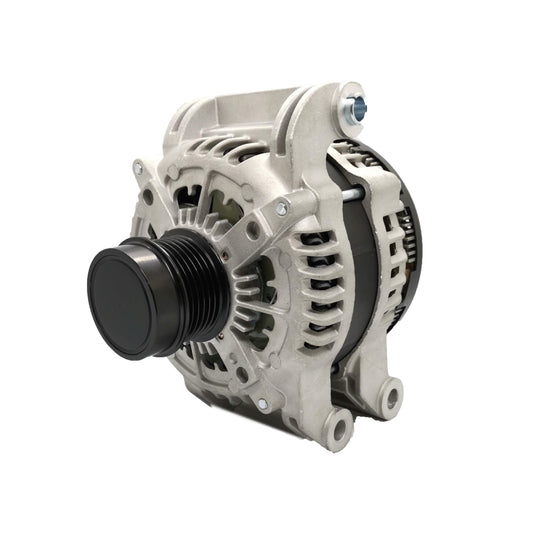
Canton Auto Parts: Alternator
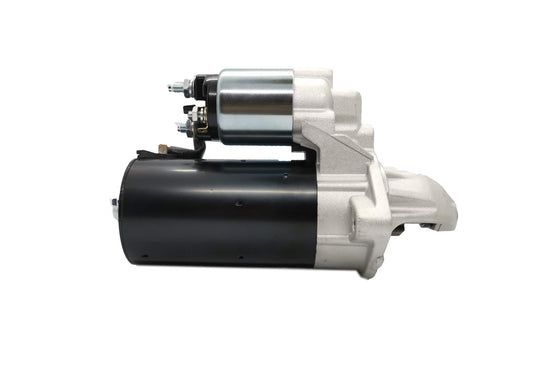
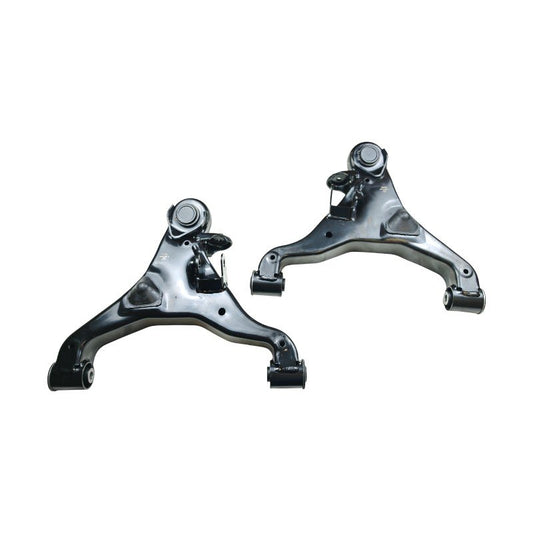
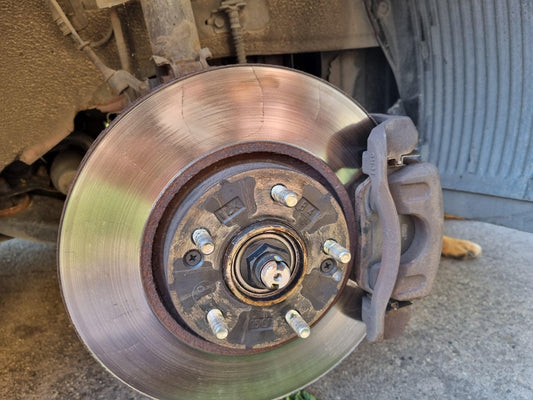
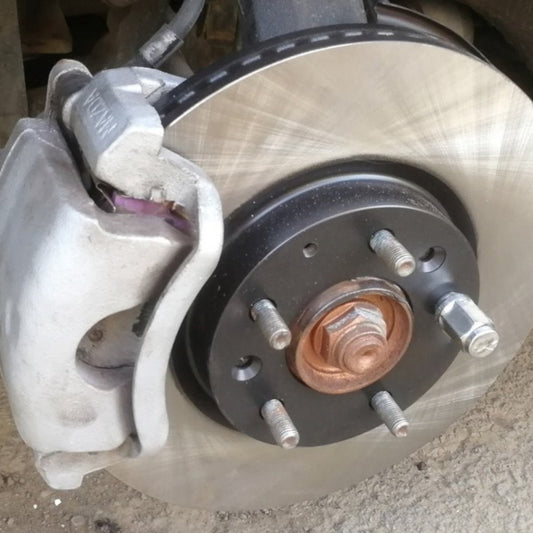
Canton Auto Parts supplies alternators, starter motors, control arms and new braking system parts for vehicle repairs. If an inspection identifies a separate charging, starting, suspension or braking issue alongside a worn mount, these parts can help you source the relevant replacement component.
For example, an alternator is used for a charging-system replacement, while a starter motor is relevant to a starting-system repair. Match each component to the vehicle’s application and the repair identified.
For parts for these related repairs, contact Canton Auto Parts or visit cantonautoparts.com.au.
Make your next parts decision with confidence
Before ordering, bring together the vehicle’s full details and information about the replacement part. This gives you a clearer basis for selecting a suitable engine mount and planning the repair with your mechanic. Check the part’s application and position rather than choosing by appearance alone.
Canton Auto Parts also supplies alternators, control arms and new braking system parts for other replacement needs. If those components are relevant to your vehicle, you can discuss them alongside your parts enquiry.
Contact Canton Auto Parts to discuss the parts you need. A clear starting point helps you move ahead with your repair plans.
Frequently Asked Questions
What does an engine mount do, and what are the signs it needs replacing?
An engine mount supports the powertrain while limiting vibration and excess movement. Signs of wear can include a new clunk when selecting drive or reverse, increased vibration at idle, or visible separation in the mount’s rubber. Note, for example, whether the noise occurs during gear selection or acceleration. These details help distinguish mount movement from other faults, but an inspection is needed to identify the affected part.
How much does it cost to replace an engine mount in Australia?
The total cost combines the replacement part and labour, with the vehicle application and access to the mount affecting the labour component. The part price alone isn’t the complete replacement cost. Compare estimates that identify the correct mount and separate parts from fitting labour.
Tags:
Previous
Starter Motor Parts and Solenoids for Your Vehicle
Next
Intercooler Hose Pipe Replacement Options for Your Vehicle